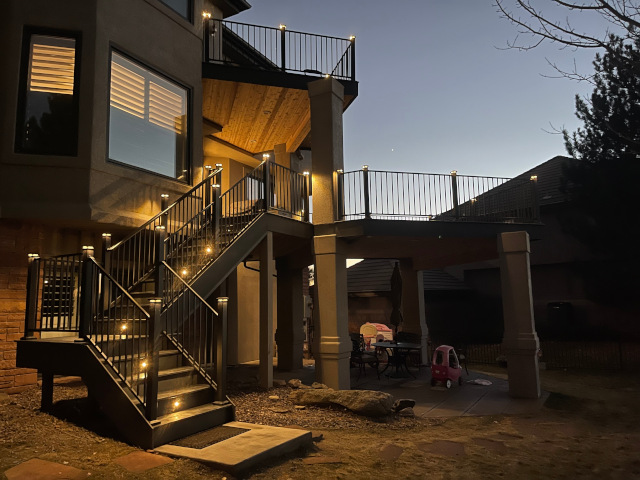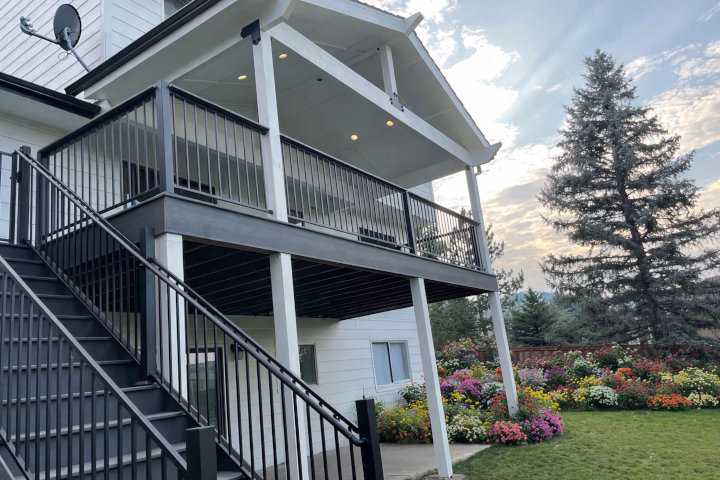
Colorado winters can be brutal on decks. Between heavy snowfall, freezing temperatures, and constant freeze-thaw cycles, your deck takes a serious beating during the colder months.
If you want your deck to last for years—and avoid costly repairs or replacement—proper winter maintenance is essential. In this guide, we’ll walk you through exactly how to protect your deck before, during, and after winter in the Denver Metro area.
Why Winter Is So Hard on Decks
Decks in Colorado face a unique combination of weather conditions that accelerate wear and damage:
- Heavy snow accumulation adds weight and moisture
- Ice formation traps water against surfaces
- Freeze-thaw cycles cause expansion and contraction
- De-icing chemicals can damage materials
Without proper care, these factors can lead to cracking, warping, rot, and structural weakening.
Preparing Your Deck Before Winter
1. Clean the Deck Thoroughly
Before the first snowfall, remove dirt, leaves, and debris. Organic material can trap moisture and promote rot.
2. Inspect for Damage
Look for:
- Loose boards
- Cracks or splinters
- Rusted fasteners
Fixing these issues early prevents them from worsening during winter.
3. Apply Sealant or Stain
If you have a wood deck, applying a protective sealant before winter helps block moisture and reduce damage.
Snow Removal Best Practices
Snow removal is one of the most important parts of winter deck maintenance.
Use the Right Tools
- Plastic shovels (avoid metal edges)
- Soft-bristle push brooms
Shovel Properly
Always shovel in the direction of the boards to avoid damage.
Don’t Let Snow Sit Too Long
Heavy snow can add stress to the structure and increase moisture exposure.
Dealing with Ice
Ice is one of the biggest threats to deck surfaces.
Avoid Harsh Chemicals
Many ice melt products contain chemicals that can damage wood and composite decking.
Use Safer Alternatives
- Calcium chloride (less damaging option)
- Sand for traction
Protecting Deck Furniture
Outdoor furniture can trap moisture against your deck surface. Before winter:
- Store furniture indoors if possible
- Use protective covers
- Lift items slightly off the surface
Winter Care for Composite Decks
Composite decking requires less maintenance but still benefits from proper care:
- Remove snow regularly
- Avoid metal shovels
- Clean periodically to prevent buildup
Signs of Winter Damage
After winter, inspect your deck for:
- Cracks or splits
- Warped boards
- Loose railings
- Soft spots indicating rot
Spring Maintenance Checklist
Once winter ends, take time to restore your deck:
- Clean thoroughly
- Replace damaged boards
- Reapply stain or sealant
- Inspect structural components
Final Thoughts
Maintaining your deck during Colorado winters doesn’t have to be complicated—but it does require consistency. With proper preparation and care, you can extend the life of your deck and avoid expensive repairs.
Protect Your Deck This Winter
Contact us today for deck maintenance, repairs, or inspections in the Denver Metro area.